
Here’s the thing about traveling to Europe right now: your passport stamp is going away, and in its place comes a digital fingerprint that might just cost you hours of your vacation. The European Union is rolling out a massive new biometric border control system, and transport operators are sounding the alarm. We’re talking serious queues at major gateways like the Port of Dover and London St Pancras during peak holiday seasons.
The twist? This isn’t some distant future concept. The Entry/Exit System (EES) has been delayed multiple times since its legislation was adopted back in 2017, but it’s finally hitting the ground. For millions of non-EU travelers—including British citizens, Americans, and Australians—this means swapping a quick visual check for a more intensive biometric scan. And when you multiply that extra time by thousands of passengers rushing to get home for Christmas or off for summer break, the math doesn’t look pretty.
Why Your Passport Stamp Is Disappearing
Let’s unpack what’s actually changing. Under the current rules, border guards manually stamp the passports of third-country nationals entering or leaving the Schengen Area. It’s a physical record, simple enough, but prone to human error and easy to lose track of if you’ve traveled frequently.
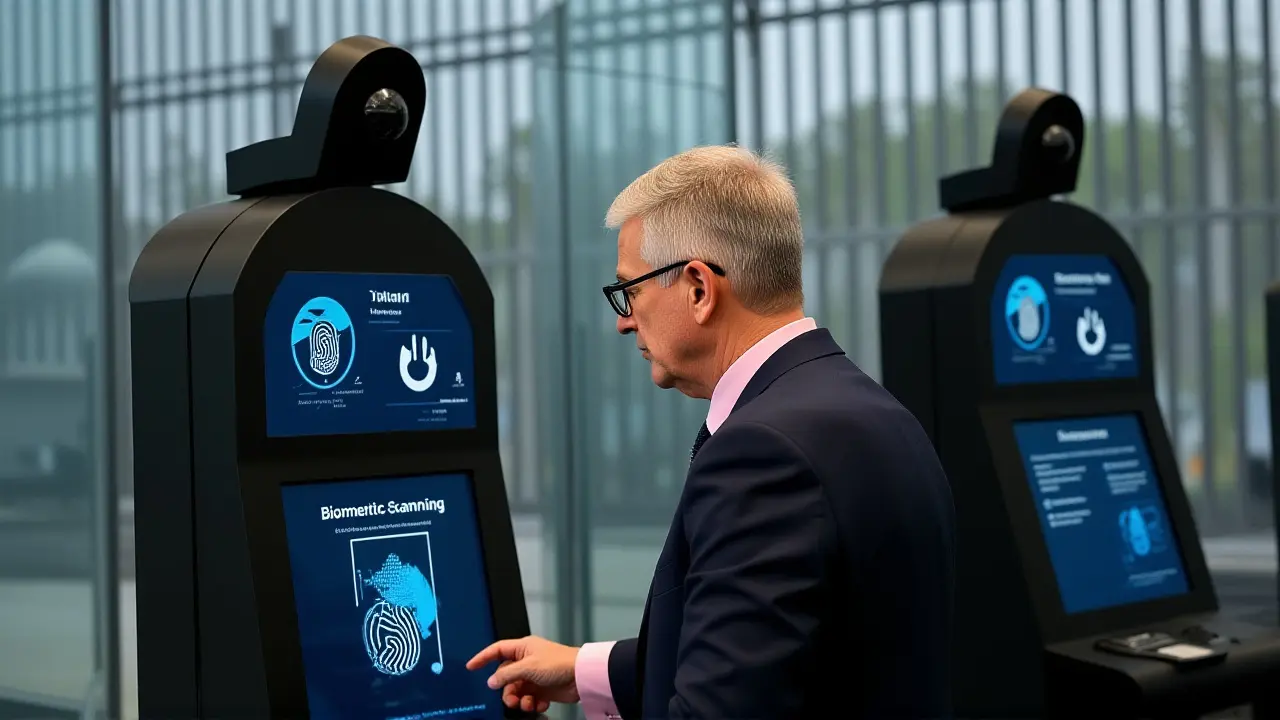
The EES replaces this with an automated digital log. When you cross an external Schengen border, your data gets recorded in a central database managed by eu-LISA, the EU agency headquartered in Tallinn, Estonia. For first-time travelers, this means providing fingerprints and a facial image. For returning visitors, it’s a quicker verification process, but still slower than a simple stamp.
This system applies to anyone who isn’t an EU citizen or from an associated state like Iceland, Norway, Switzerland, or Liechtenstein. That includes us Brits post-Brexit. If you’re visiting for less than 90 days in any 180-day period, you’re in scope. The goal? To catch overstayers, improve security, and streamline legitimate travel. But the immediate reality is friction.
The Holiday Bottleneck Problem
So why the panic? It’s all about throughput. A manual passport stamp takes seconds. Capturing four fingerprints and a high-quality facial image, verifying identity against a central server, and updating the database takes significantly longer. We’re talking potentially double or triple the processing time per person during initial enrollment.
Now, imagine that at the Port of Dover. During school holidays, thousands of private vehicles and coaches queue up daily. French border police operate juxtaposed controls here, meaning they check passengers on British soil before they board ferries to Calais. Each vehicle often carries four or five people. If every single passenger needs individual biometric processing, those lanes grind to a halt.
It’s not just Dover. The Eurotunnel terminal at Folkestone and the Eurostar departures from London St Pancras face similar pressures. At airports across the Schengen Zone, long-haul flights from the US and Asia bring in large groups simultaneously. Airport operators warn that without massive staffing boosts and optimized tech, connections will be missed and patience will wear thin.
Who’s Behind the Scenes?
The architecture behind this shift is complex. The European Commission proposed the legislation, which was jointly adopted by the Council of the European Union and the European Parliament on November 30, 2017. But the technical heavy lifting falls to eu-LISA. They’ve had years to build the infrastructure, yet repeated delays pushed the launch date well past the initial 2020 target.
These delays weren’t just bureaucratic; they were necessary. Integrating national IT systems from 27 member states plus associated countries is a logistical nightmare. Now that it’s live, the focus shifts to operational readiness. Border guards need training. Equipment needs testing. And crucially, the public needs to know what to expect.
What Travelers Can Do
First off, don’t panic. The system is designed to become faster as more people are enrolled. Once your biometrics are in the database, subsequent trips should involve a simpler facial recognition check rather than full fingerprinting. But that “first time” penalty is real.
If you’re planning a trip during peak periods—Christmas, New Year, Easter, or July/August summer holidays—add buffer time. Arrive at ports and airports earlier than usual. Check with your ferry or train operator for specific advice, as some may adjust boarding procedures to accommodate the new checks.
Also, keep your travel documents ready. While the tech handles the data, the human element remains. Border officers still verify identities visually. Ensure your passport is valid for at least three months beyond your intended departure date from the Schengen Area, and has been issued within the last ten years. Old habits die hard, and these rules haven’t changed.
Frequently Asked Questions
Do British citizens need to use the Entry/Exit System?
Yes. Since Brexit, UK nationals are considered third-country nationals for Schengen border purposes. This means British tourists and short-stay visitors must undergo biometric registration under the EES when entering or leaving the Schengen Area, just like American or Australian travelers.
How long does the biometric check take compared to a passport stamp?
For first-time users, the process involves capturing four fingerprints and a facial image, which can take several minutes per person. Subsequent visits are faster, relying mainly on facial recognition, but still require verification steps that exceed the speed of a traditional manual stamp.
Which borders will be affected most severely?
High-volume land and sea crossings are most at risk. Key hotspots include the Port of Dover, the Eurotunnel at Folkestone, and Eurostar terminals at London St Pancras. Major international airports handling flights from outside Europe will also see increased processing times, especially during peak holiday seasons.
When did the Entry/Exit System officially start?
The legislation was passed in 2017, but implementation faced numerous delays due to technical and legal complexities. The system began rolling out in late 2024, replacing manual passport stamps with electronic records for all non-EU travelers crossing external Schengen borders.
Will this affect EU citizens traveling within Europe?
No. The EES only applies to third-country nationals. EU citizens and residents of associated Schengen states (Iceland, Liechtenstein, Norway, Switzerland) continue to travel freely without biometric checks at internal borders, maintaining the core principle of the Schengen Agreement.

Vusumuzi Moyo
I am a journalist specializing in daily news coverage with a keen focus on developments across Africa. My work involves analyzing political, economic, and cultural trends to bring insightful stories to my readers. I strive to present news in a concise and accessible manner, aiming to inform and educate through my articles.
More Articles

Barcelona Edges Past Las Palmas: Dani Olmo and Ferran Torres Shine to Reclaim La Liga Top Spot
Barcelona triumphed over Las Palmas with a 2-0 victory, aided by super subs Dani Olmo and Ferran Torres. Despite high possession, Barcelona struggled initially but broke through Las Palmas' defense with Olmo's 62nd-minute goal, followed by Torres scoring in stoppage time. This strategic win places them back at La Liga's summit, underlining their depth and tactical prowess.

How to Watch USA vs. Uruguay: Stream Copa America 2024 Live from Anywhere for Free
The upcoming USA vs. Uruguay match in the Copa America 2024 is crucial as both teams fight for a quarterfinal spot. This article guides on how to watch the match live from anywhere using a VPN, with ExpressVPN recommended for its user-friendly features and robust security. The USA's quarterfinal fate hinges on various scenarios and goal differentials.

Apple to Release Public Betas of iOS 18, macOS Sequoia, and More This July
Apple revealed at its WWDC 2024 Keynote that public betas for iOS 18, iPadOS 18, macOS Sequoia, watchOS 11, tvOS 18, and HomePod software version 18 will roll out in July. While no exact dates were mentioned, Apple Developer Program members can already dive into testing the new updates, including visionOS 2.