Kliptown: History, Culture, and Community in South Africa's Iconic Township
When you think of Kliptown, a historic township in Soweto, South Africa, known as the birthplace of the Freedom Charter and a symbol of anti-apartheid resistance. Also known as the birthplace of the Freedom Charter, it’s not just a place on the map—it’s where South Africa’s fight for equality took its first unified breath. Kliptown sits just outside Johannesburg, tucked into the larger Soweto region, and it’s where over 2,000 people gathered on June 26, 1955, to adopt the Freedom Charter—a bold declaration that ‘South Africa belongs to all who live in it, black and white.’ That moment didn’t just change politics; it changed the soul of the nation.
Behind every street corner in Kliptown is a story tied to Walter Sisulu, a key leader of the African National Congress and close ally of Nelson Mandela, who lived in Kliptown and helped organize the Congress of the People. His home became a hub for activists, planners, and dreamers. You’ll find his legacy in the community centers, murals, and quiet corners where elders still talk about the day the Charter was read aloud under a tree. Kliptown isn’t just remembered for what happened there—it’s still alive with it. Today, residents are rebuilding schools, starting small businesses, and fighting for clean water and electricity, proving that the spirit of 1955 hasn’t faded.
The Freedom Charter, a foundational document of South Africa’s democracy, written and signed in Kliptown, that called for equal rights, land redistribution, and free education for all. is more than a historical artifact. It’s a living promise. You’ll see its influence in the protests, the art, the songs, and even the way kids play soccer on dusty fields where activists once gathered. Kliptown’s story isn’t locked in textbooks—it’s in the daily choices people make to hold power accountable and build something better.
What you’ll find in this collection isn’t just news about Kliptown—it’s the real, messy, hopeful truth of a place that refused to be erased. From community-led clean-ups to youth programs fighting crime, from old photos of the 1955 Congress to new debates over land reform, these stories show how Kliptown still shapes South Africa. You’ll read about the people who live there, the struggles they face, and the quiet victories they celebrate. This isn’t a tourist spot. It’s a heartbeat.
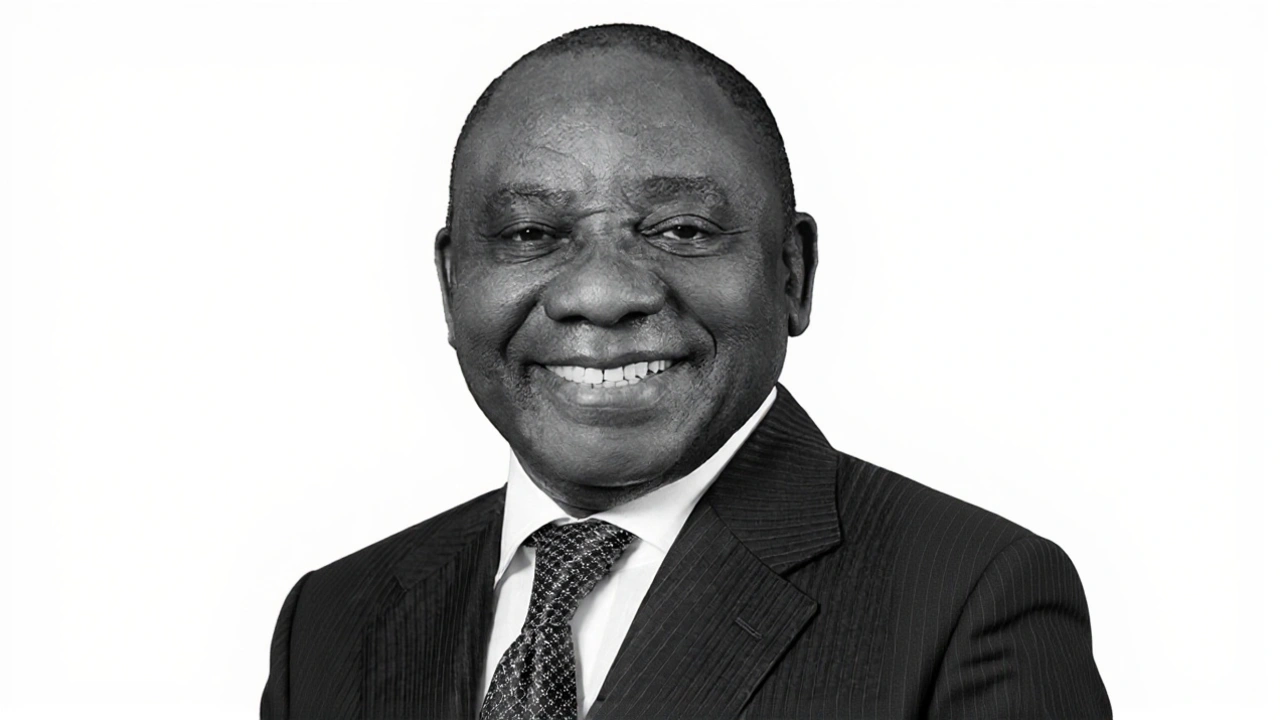
Ramaphosa Joins CEOs in Kliptown Cleanup Ahead of G20 Summit Amid US Absence
President Cyril Ramaphosa joined CEOs and Johannesburg officials in a Kliptown cleanup ahead of the G20 Summit, confirming the event will proceed despite U.S. absence, signaling a new era of public-private urban renewal.