Skid Wear Infringement: What It Means and How It Affects African Transport
When a vehicle’s tires wear down past the legal limit, it’s not just a maintenance issue—it’s a skid wear infringement, a violation of road safety standards that occurs when tire tread depth falls below regulated thresholds. Also known as tire tread violation, it’s one of the most common but overlooked causes of accidents on African roads. Many drivers assume their tires are fine until they blow out, but the law doesn’t wait for disaster. In countries like Kenya, South Africa, and Nigeria, traffic authorities routinely inspect commercial vehicles and issue fines or impound trucks with tread depths under 1.6mm—the global minimum standard. This isn’t about fines for the sake of revenue; it’s about stopping preventable deaths.
Skid wear infringement doesn’t just affect trucks. Buses, taxis, and even private cars are targeted during road safety campaigns. In Nairobi, police set up tire checkpoints along the Nairobi–Mombasa highway, pulling over overloaded matatus with bald tires. In Johannesburg, transport inspectors found that over 40% of minibus taxis failed tire safety checks in 2024. These aren’t rare cases. They’re systemic. The problem gets worse when operators reuse old tires, patch them with cheap glue, or ignore manufacturer warnings. A tire that looks fine from the outside can be structurally damaged inside, making it a ticking time bomb on wet roads.
It’s not just about the tires themselves—it’s about the systems around them. transport regulation, the framework of laws and enforcement mechanisms governing vehicle safety across African nations is often weak or inconsistently applied. In some regions, there’s no mandatory annual inspection. In others, inspectors are underpaid and easily bribed. This creates a culture where skid wear infringement becomes a cost of doing business. But the real cost is measured in lives. A study by the African Transport Policy Society found that 22% of fatal road crashes in East Africa involved vehicles with illegal tire wear. That’s one in five deaths that could have been avoided with a simple tread check.
And then there’s the economic side. When a truck gets pulled over for skid wear infringement, it doesn’t just pay a fine—it loses hours, days, even weeks of delivery time. For small operators, that’s lost income. For the wider economy, it’s delayed goods, higher prices, and broken supply chains. In Lagos, cargo delays due to tire violations cost local businesses an estimated $200 million in 2023 alone. Meanwhile, legitimate operators who follow the rules suffer because they’re undercut by those who cut corners.
Some governments are starting to act. Kenya’s National Transport and Safety Authority now uses digital tire scanners at major checkpoints. Rwanda requires all commercial vehicles to have tire health certificates before receiving road permits. These aren’t perfect solutions, but they’re steps forward. What’s missing is public awareness. Most drivers don’t know what the legal tread depth is, how to check it, or why it matters. A tire with 2mm of tread might still look usable—but it’s already in violation. And on wet roads, that half-millimeter difference can mean the difference between stopping in time and skidding into a crowd.
Below, you’ll find real stories and reports that show how skid wear infringement plays out on the ground—from overloaded buses in Kampala to truck inspections in Durban. These aren’t abstract policies. They’re daily realities for drivers, families, and communities across Africa. Understanding this issue isn’t just about avoiding a ticket. It’s about saving lives, protecting livelihoods, and demanding better from the systems meant to keep us safe.
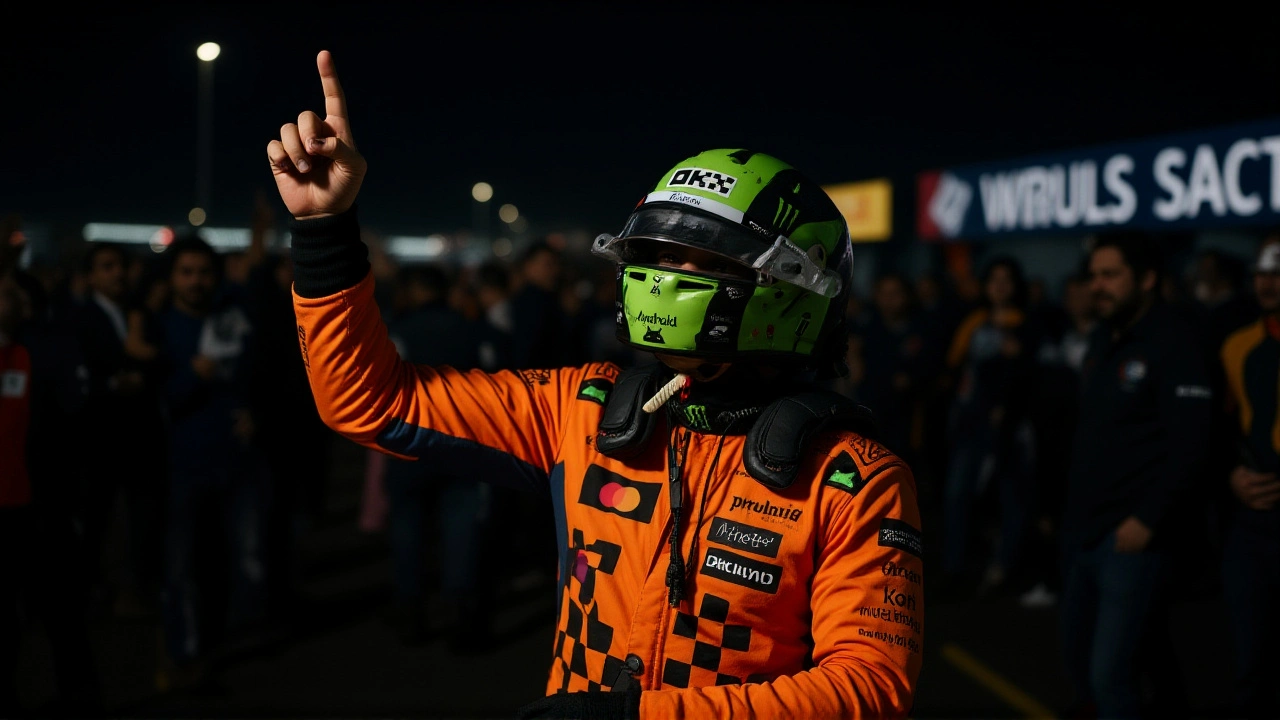
Norris Takes Pole, Then Gets DQ’d as Verstappen Wins Las Vegas GP Amid McLaren Scandal
Lando Norris took pole in wet conditions at the 2025 Las Vegas Grand Prix, but was later disqualified for skid wear infringement, handing victory to Max Verstappen and reshaping the Drivers' Championship battle.