CEO-City Cleanup: Corporate Leadership in Urban Renewal Across Africa
When we talk about CEO-City Cleanup, a movement where corporate leaders take direct action to clean and revitalize African urban centers. It's not just about picking up trash—it's about CEOs using their influence, resources, and networks to fix broken systems in cities where government efforts fall short. This isn't a PR stunt. In Nairobi, Lagos, and Accra, company heads are rolling up their sleeves, funding waste collection fleets, and partnering with local communities to turn polluted streets into public spaces people actually use.
The urban renewal, the process of upgrading deteriorating city areas through infrastructure, policy, and community engagement behind CEO-City Cleanup isn’t new, but who’s leading it is. Traditionally, this fell to city councils or NGOs. Now, it’s the CEOs of telecom firms, banks, and mining companies stepping in. Why? Because dirty cities hurt business. Unreliable waste systems clog roads, scare off tourists, and raise operational costs. Clean streets mean better logistics, healthier workers, and stronger brand loyalty.
It’s also tied to sustainability, the practice of meeting today’s needs without compromising future generations’ ability to thrive. When a CEO in Kampala launches a plastic recycling program, they’re not just reducing landfill overflow—they’re creating jobs, training youth, and cutting reliance on imported materials. These aren’t isolated projects. They’re part of a growing network where companies share tools, data, and even cleanup crews across borders. You’ll see this in posts about Kenya’s energy-themed Mashujaa Day, where corporate sponsors helped build solar-powered waste stations. Or in Ghana, where a fintech CEO turned a riverbank into a clean park with community art.
What makes CEO-City Cleanup different is accountability. When a mayor fails, people blame politics. When a CEO fails, customers walk away. That pressure drives results. And it’s working. In cities where trash used to pile up for weeks, bins are now emptied daily. Children walk to school without stepping in sewage. Local entrepreneurs sell recycled materials to corporate buyers. These changes didn’t come from laws—they came from leaders who decided their companies had a stake in the city’s survival.
Below, you’ll find real stories from across Africa—CEOs who turned cleanup into a movement, communities that pushed back against neglect, and the quiet wins that didn’t make headlines but changed lives. This isn’t about charity. It’s about responsibility, strategy, and the power of one person in a suit deciding enough is enough.
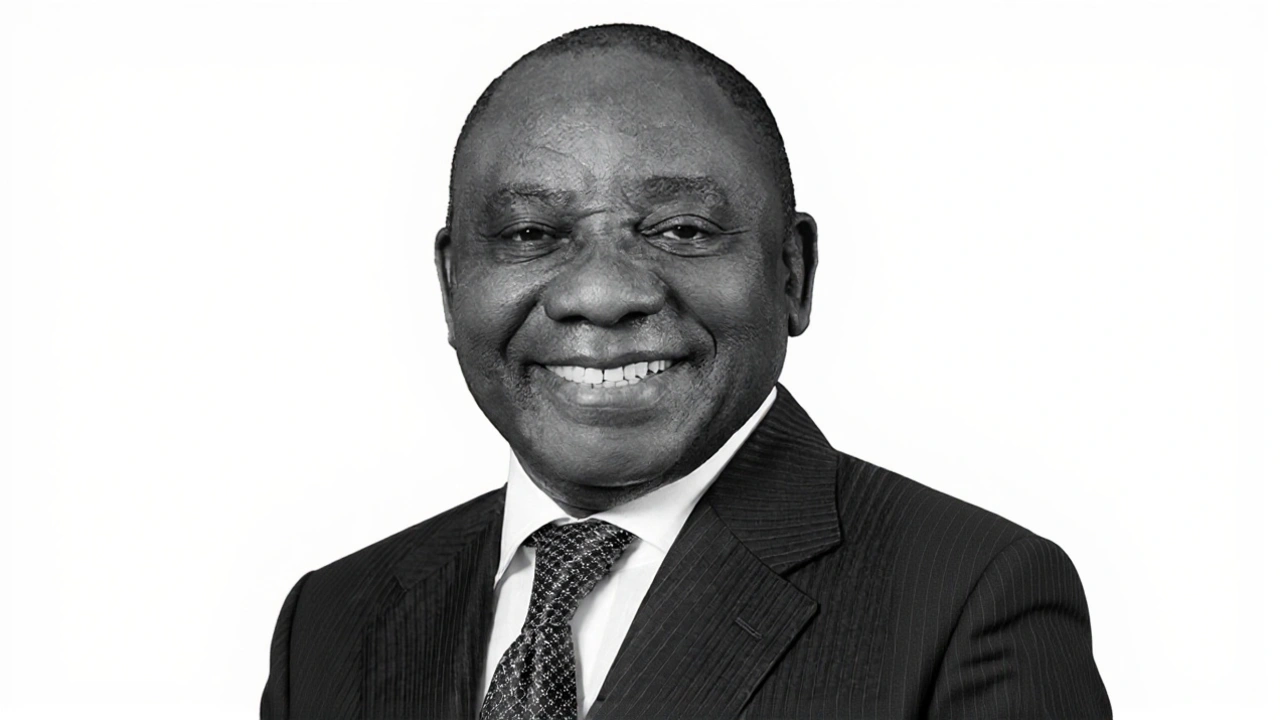
Ramaphosa Joins CEOs in Kliptown Cleanup Ahead of G20 Summit Amid US Absence
President Cyril Ramaphosa joined CEOs and Johannesburg officials in a Kliptown cleanup ahead of the G20 Summit, confirming the event will proceed despite U.S. absence, signaling a new era of public-private urban renewal.