G20 Summit: What It Is, Who’s Involved, and Why Africa Matters
When world leaders meet at the G20 Summit, a forum of the world’s 20 largest economies that coordinates global economic policy and responds to crises. Also known as the Group of Twenty, it brings together countries that account for over 80% of global GDP and two-thirds of the world’s population. This isn’t just a meeting of rich nations—it’s where decisions are made on trade, debt, energy, and climate that ripple across Africa, whether the continent is at the table or not.
While the G20 includes powerhouses like the U.S., China, Germany, and Japan, only two African nations—South Africa, the only African member with a permanent seat at the table—have a formal voice. That’s a problem. Africa’s population is growing fast, its economies are increasingly connected to global supply chains, and its needs in energy, food security, and debt relief are urgent. Yet African countries often get sidelined, even when the summit’s outcomes directly impact their people. The African Union, a continental body representing 55 nations and over 1.4 billion people, has pushed for full membership, arguing that no global economic forum can claim legitimacy without Africa’s inclusion.
Recent G20 Summits have touched on issues critical to Africa: inflation control, digital infrastructure, renewable energy funding, and debt restructuring. But promises often outpace action. When the G20 agreed to $100 billion in climate finance, African nations saw little of it. When new debt relief frameworks were announced, many African countries were left out due to technicalities. Meanwhile, countries like Nigeria, Kenya, and Ghana are building tech hubs, expanding green energy, and negotiating trade deals—all while navigating policies shaped far from their borders.
The G20 Summit isn’t just about headlines—it’s about who gets to decide what’s possible. Africa isn’t waiting to be invited. It’s showing up with solutions: Kenya’s solar grid projects, Rwanda’s digital economy, South Africa’s just energy transition plan. The posts below cover how African nations are pushing back, negotiating, and sometimes even leading on issues the G20 claims to care about. You’ll find reports on African leaders at summit tables, stories of local impact from global decisions, and the quiet power moves African countries are making outside the spotlight. This isn’t just about politics. It’s about who gets to shape the future—and who gets left behind.
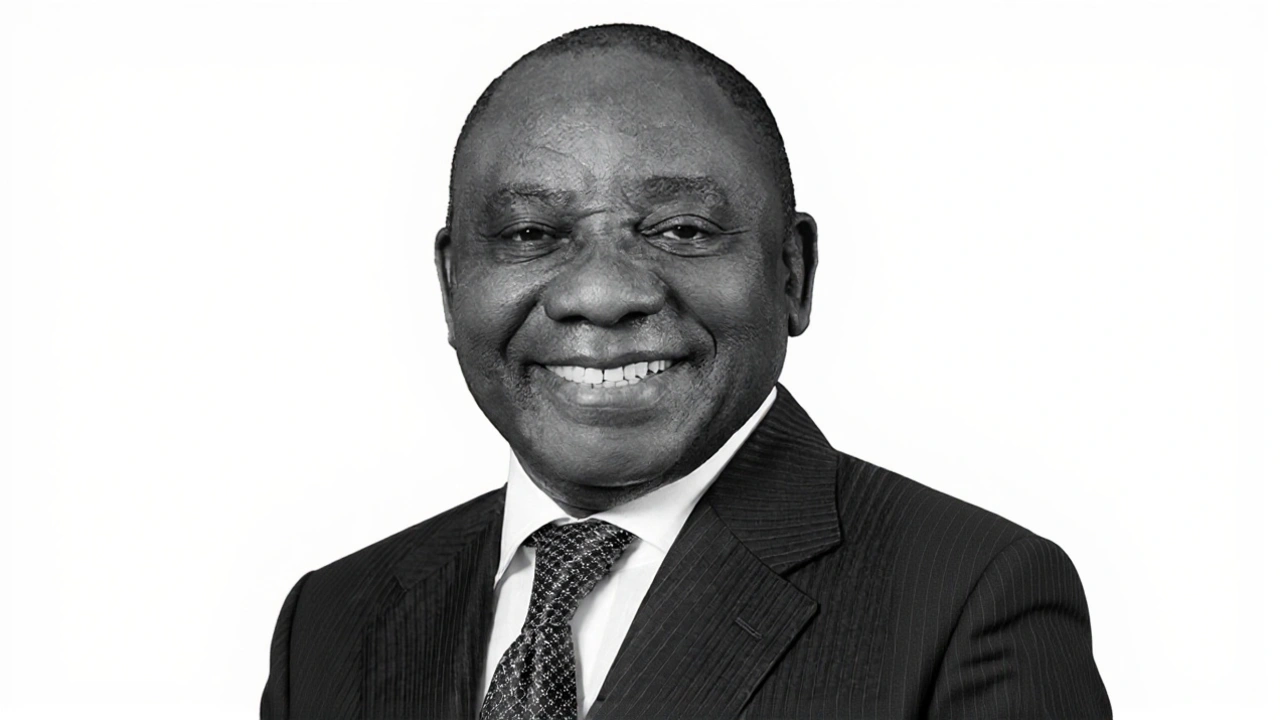
Ramaphosa Joins CEOs in Kliptown Cleanup Ahead of G20 Summit Amid US Absence
President Cyril Ramaphosa joined CEOs and Johannesburg officials in a Kliptown cleanup ahead of the G20 Summit, confirming the event will proceed despite U.S. absence, signaling a new era of public-private urban renewal.